
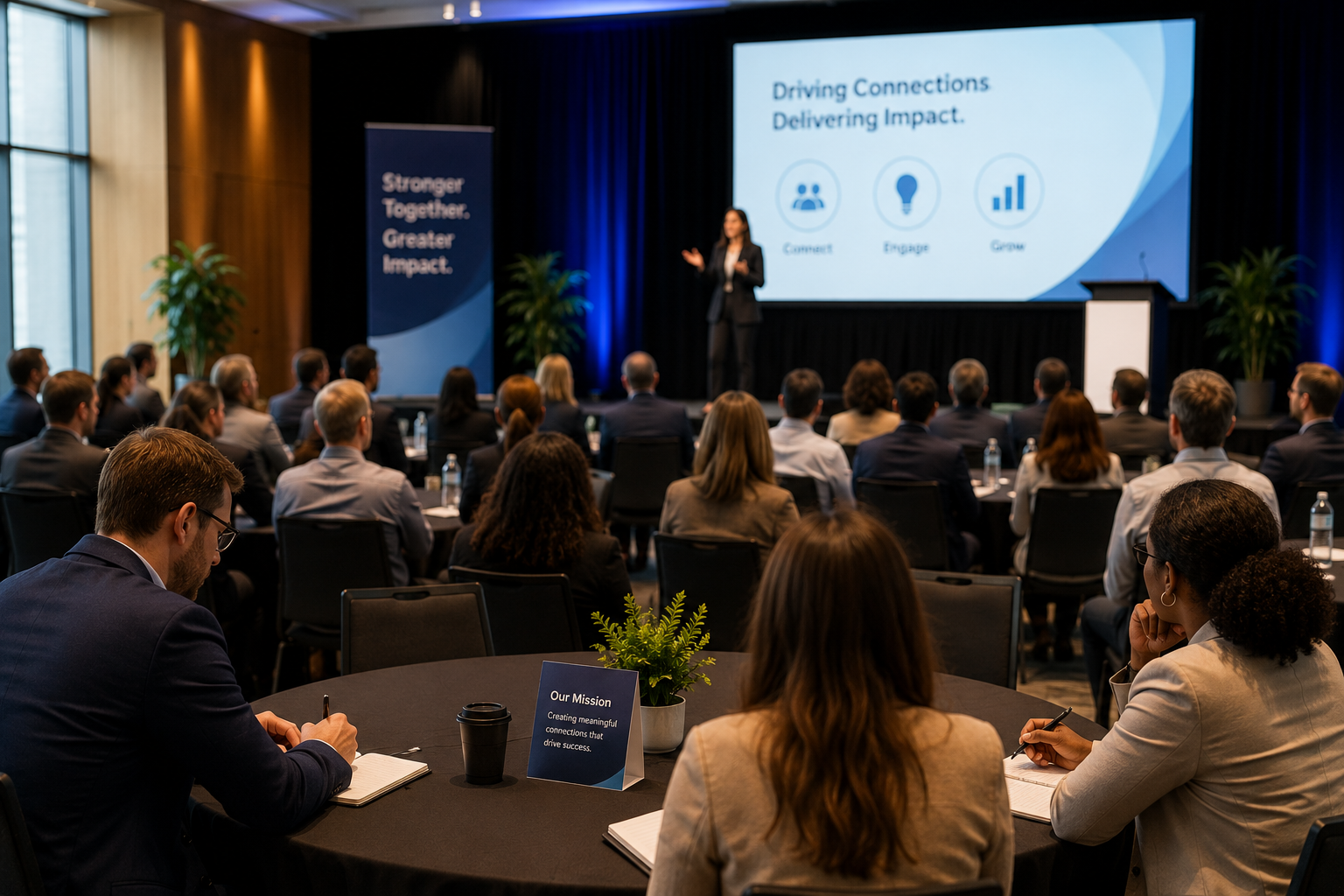
Events remain one of the most powerful ways for organizations to connect directly with their audiences. Whether hosted in person or virtually, events provide an opportunity to build relationships, showcase expertise, and create memorable brand experiences.
However, not all events deliver meaningful results. Successful event marketing requires more than simply bringing people together—it requires a strategy designed to convert interest into measurable outcomes.
Start with Clear Objectives
Every successful event begins with a clearly defined purpose. Before planning logistics or promotional tactics, organizations should identify what they want the event to accomplish.
Common event goals may include:
- Generating qualified leads
- Building brand awareness
- Launching a new product or service
- Strengthening relationships with existing customers
- Educating stakeholders or community members
Defining clear objectives helps ensure that every aspect of the event—from messaging to content to follow-up—supports the desired outcome.
Know Your Audience
Events that convert are built around the needs and interests of the audience. Understanding who you want to reach allows you to shape the event experience in ways that provide genuine value.
This may involve:
- Selecting relevant topics or speakers
- Designing interactive experiences
- Offering practical insights or solutions
- Creating opportunities for networking or collaboration
When audiences feel that an event was designed with them in mind, engagement and participation naturally increase.
Promote Strategically
Even the most thoughtfully planned event will struggle without effective promotion. A strategic promotional plan ensures the right people hear about the event and understand why it’s worth attending.
Successful event promotion often includes a mix of channels such as:
- Email marketing campaigns
- Social media promotion
- Website event pages
- Partner and sponsor amplification
- Digital advertising when appropriate
Consistent messaging across these channels helps build anticipation and reinforces the value of attending.
Create an Engaging Experience
Today’s audiences expect events to provide more than presentations or basic information. Engagement is key to creating memorable experiences that strengthen relationships and reinforce brand credibility.
This might include:
- Interactive sessions or discussions
- Audience Q&A opportunities
- Real-world case examples
- Live demonstrations or storytelling
- Opportunities for networking or community interaction
Engaging events help attendees feel connected not only to the content but also to the organization hosting the event.
Plan for Post-Event Engagement
One of the most overlooked aspects of event marketing is what happens after the event concludes. Following up with attendees helps extend the impact of the event and move participants further along the engagement or sales journey.
Post-event engagement may include:
- Follow-up emails with event highlights or resources
- On-demand recordings for virtual events
- Surveys to capture feedback
- Personal outreach to key participants or prospects
- Content repurposing for blogs, social media, or newsletters
These efforts ensure that the value created during the event continues well beyond the day it takes place.
Events as a Strategic Marketing Tool
When thoughtfully planned and executed, events can become a powerful driver of marketing success. They create opportunities for organizations to build trust, demonstrate expertise, and connect with audiences in ways that digital interactions alone often cannot achieve.
By aligning events with clear objectives, strategic promotion, and meaningful engagement, organizations can transform events into marketing experiences that truly convert.